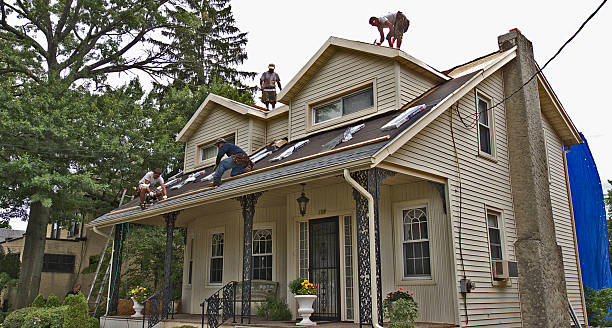
Smarter Roofing Choices: A Homeowner’s Guide to Planning, Timing, and Long-Term Value
Assess the scope of your roofing needs before calling anyone, starting with age, visible wear, and past leak history. Identify signs like curling edges, granule loss, soft decking, or flashing gaps. Map problem areas on a simple sketch, and gather photos after a dry day. This early documentation helps you explain concerns clearly, sets expectations for site visits, and narrows whether you’re leaning toward roof repair or a more comprehensive solution.
Meanwhile, refine your priorities using three lenses: performance, aesthetics, and budget. Performance covers water shedding, wind resistance, ventilation, and underlayment quality. Aesthetics considers color harmony, texture, and neighborhood norms. Budget balances immediate costs with anticipated lifespan. Ask how material choices, ventilation upgrades, and attic insulation adjustments interact. Aligning these priorities early reduces scope creep and supports clearer comparisons when proposals start arriving from a roofing contractor.
However, verify the structure’s current condition from the deck out. A thorough attic check reveals ventilation shortfalls, moisture staining, or mold risks. Look for daylight through sheathing and evaluate baffle placement. Inspect soffit and ridge paths to validate airflow. When underlayment and flashing details are specified upfront, you buffer against rework and unexpected add-ons. Detailed inspection notes let bidders price accurately and sequence crews efficiently.
Beyond that, stage your timeline around weather and access realities. Mild, dry stretches speed tear-offs and allow adhesives to set properly. In practice, spring and fall can be ideal in many regions, but a solid crew can phase work year-round with proper safeguards. Think about driveway clearance, dumpster placement, and neighbor impact. Temporary parking plans and lawn protection strategies minimize disruption and streamline site logistics.
Often, materials define long-term satisfaction more than any other factor. Roofing shingles vary in thickness, impact ratings, and algae resistance. Underlayment choices affect secondary water defense and heat tolerance. Flashing metals should be compatible with adjacent materials to avoid corrosion. Ask how valleys, penetrations, and chimneys will be treated, and whether ice barriers extend beyond warm-wall lines. Spec clarity here pays dividends in durability and warranty alignment.
Then, calibrate labor workflow with your household routine. Pets, work-from-home schedules, and school pickups all influence noise tolerance and access needs. Confirm crew start times, daily cleanup plans, and nail-magnet sweeps. Request a defined staging area for pallets to protect hardscapes. Small operational details, when agreed upfront, keep stress low and help residential roofers maintain pace without surprises or bottlenecks.
In practice, proposals should be apples-to-apples. Validate that each bid lists deck repairs by unit cost, flashing replacements, ventilation changes, and ridge details. Cross-check brand lines, trim components, and fastener specs. Transparent change-order terms protect both sides if hidden sheathing issues appear. A clear baseline turns a complex upgrade into a manageable project plan, reducing ambiguity that can otherwise inflate timelines or compromise outcomes.
Meanwhile, weigh repair versus replacement using lifecycle math. If shingles are near end-of-life and decking shows patchy softness, a roof replacement may prevent serial fixes that add up. Conversely, a targeted roof repair on an isolated valley leak could defer a larger spend responsibly. Document rationale either way, and maintain photos for future reference. This paper trail helps when you later evaluate a new roof or sell the property.
Finally, plan for aftercare. Establish maintenance checkpoints following storms, and inspect sealants, flashing edges, and gutters annually. Keep warranty documents, color codes, and batch numbers with your home records. When you eventually need roofing services again, having organized data accelerates troubleshooting. Routine attention preserves value, and timely adjustments extend system life, especially when you’ve selected compatible new shingles and ventilation strategies from the outset.
Altogether, choosing materials carefully, sequencing work thoughtfully, and documenting decisions thoroughly will align expectations with results. Reliable communication, realistic weather windows, and clear site logistics reduce friction. By treating the project as a phased investment—assessment, specification, execution, and maintenance—you set the stage for a durable, good-looking system that supports comfort and curb appeal for years without constant intervention.